Handling Roadside Emergencies Effectively with Emergency Roadside Service
When your vehicle breaks down unexpectedly, it can feel stressful and overwhelming. I’ve been there myself, stuck on the side of the road wondering what to do next. The good news is that handling roadside emergencies effectively is possible with the right knowledge and preparation. In this post, I’ll share practical tips and clear steps to help you stay safe, calm, and in control during these situations. Whether you own a personal vehicle or manage a commercial fleet, these insights will help you minimize downtime and get back on the road quickly.
Why Emergency Roadside Service Is Essential
Having access to reliable emergency roadside service can make all the difference when your vehicle stops working. It’s not just about convenience; it’s about safety and peace of mind. When you know help is just a call away, you can focus on staying safe and making smart decisions.
Emergency roadside service typically includes assistance with flat tires, dead batteries, fuel delivery, lockouts, and towing. For commercial fleet managers, this service ensures that your vehicles stay operational, reducing costly delays and keeping your business running smoothly.
Here are some reasons why emergency roadside service is a must-have:
Quick response times reduce the time you spend stranded.
Professional help ensures the problem is diagnosed and fixed correctly.
Safety is improved by having experts handle potentially dangerous situations.
Convenience means you don’t have to worry about finding a mechanic or towing service on your own.

Steps to Take Immediately After a Breakdown
When your vehicle breaks down, your first priority should be safety. Here’s a simple, step-by-step guide to follow:
Pull over safely - Use your turn signal and move your vehicle to the shoulder or a safe spot away from traffic.
Turn on hazard lights - This alerts other drivers that your vehicle is stopped.
Stay inside your vehicle if it’s safe, especially on busy highways. If you must exit, do so carefully and stand away from traffic.
Call for help - Contact your emergency roadside assistance service or a trusted provider.
Use reflective triangles or flares if you have them, to increase visibility.
Stay calm and wait for help to arrive.
If you’re managing a fleet, make sure your drivers are trained to follow these steps. Having a clear protocol can prevent accidents and confusion during emergencies.
Preparing Your Vehicle and Fleet for Roadside Emergencies
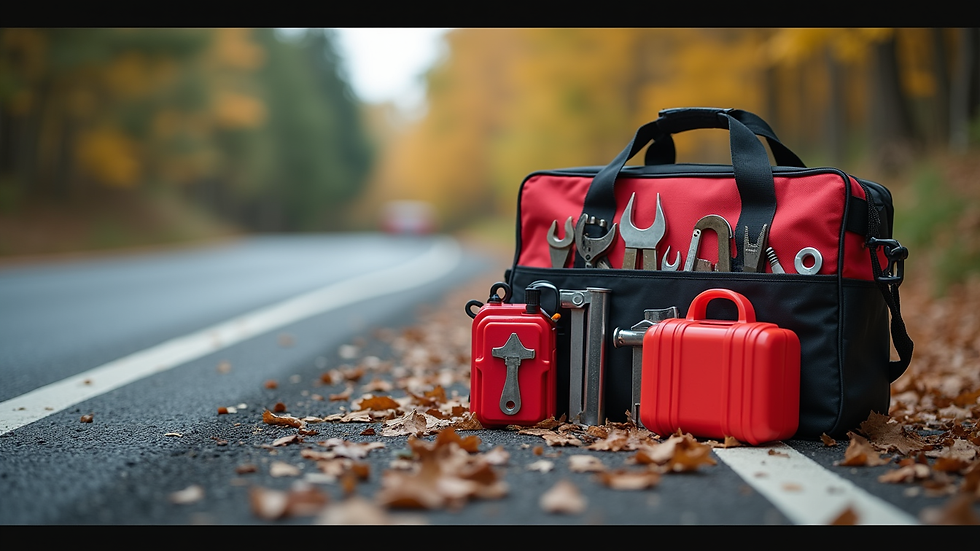
Preparation is key to handling roadside emergencies effectively. I always recommend keeping a well-stocked emergency kit in every vehicle. Here’s what you should include:
Spare tire, jack, and lug wrench - Make sure your spare is properly inflated.
Jumper cables - Dead batteries are common, and jumper cables can save the day.
Flashlight with extra batteries - Essential for nighttime breakdowns.
Reflective vest and warning triangles - Increase your visibility to other drivers.
Basic tool kit - Screwdrivers, pliers, and adjustable wrenches can help with minor repairs.
First aid kit - For any minor injuries.
Water and non-perishable snacks - In case you’re waiting for a while.
Phone charger - To keep your phone powered for calls.
For commercial fleets, regular vehicle inspections and maintenance reduce the risk of breakdowns. Keep detailed records and schedule preventive maintenance to catch issues early.
How to Choose the Right Emergency Roadside Assistance Service
Not all roadside assistance services are created equal. Choosing the right one can save you time, money, and stress. Here are some factors to consider:
Coverage area - Make sure the service covers the regions where you and your fleet operate.
Response time - Look for providers known for quick and reliable responses.
Range of services - Check if they offer towing, tire changes, fuel delivery, lockout services, and on-site repairs.
Availability - 24/7 service is crucial for emergencies at any time.
Customer reviews - Read feedback from other vehicle owners and fleet managers.
Cost and membership options - Compare pricing and see if memberships or subscriptions offer better value.
I recommend having a trusted emergency roadside assistance service on speed dial. This way, you can call them immediately without wasting time searching for help.
Staying Safe While Waiting for Help
Waiting for roadside assistance can be nerve-wracking, but your safety is the most important thing. Here are some tips to keep in mind:
Stay inside your vehicle if it’s safe, especially on busy roads or at night.
Lock your doors and keep your seatbelt on.
Avoid accepting rides from strangers or leaving your vehicle unattended.
Use your phone to update someone about your location and situation.
If you must exit the vehicle, do so on the side away from traffic and stand behind a guardrail if possible.
Keep your emergency kit handy in case you need to use any safety items.
By following these precautions, you reduce the risk of accidents or harm while waiting for professional help.
Final Thoughts on Handling Roadside Emergencies
Handling roadside emergencies effectively is about preparation, quick action, and knowing where to turn for help. By keeping your vehicle ready, understanding the steps to take during a breakdown, and having a reliable emergency roadside assistance service, you can face these situations with confidence.
Remember, the goal is to minimize downtime and keep your vehicle or fleet operational with as little hassle as possible. When you’re prepared and informed, roadside emergencies become manageable challenges rather than stressful crises.
If you want peace of mind on the road, consider partnering with a trusted emergency roadside assistance service that can provide fast, professional support whenever you need it.
Stay safe and keep moving forward!


Comments